The Tiranga: Pride, Identity, and the Soul of India
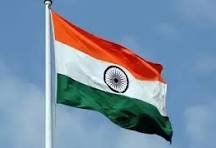
The Tiranga, the national flag of India, is more than just a piece of cloth fluttering in the wind. It represents the spirit, unity, and sacrifices of millions of Indians who fought for freedom and continue to build the nation. Adopted on 22 July 1947, just days before India gained independence, the Tiranga stands as a symbol of sovereignty, peace, and national pride.
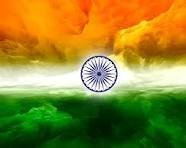
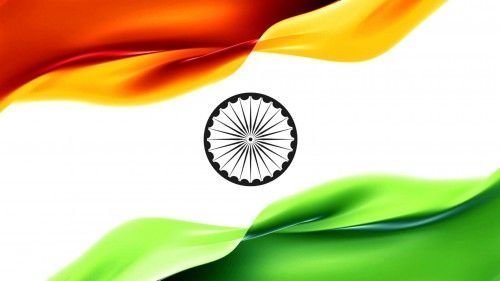
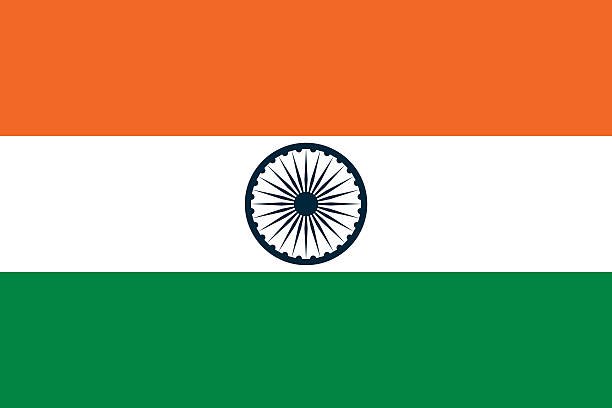
The word “Tiranga” means “tricolour,” representing the three horizontal stripes of saffron, white, and green. Each color carries a deep meaning and reflects the core values of the country.
The top stripe is saffron, also known as bhagwa. This color symbolizes courage, sacrifice, and strength. It reminds us of the bravery of freedom fighters like Mahatma Gandhi, Bhagat Singh, Subhas Chandra Bose, and countless others who gave their lives for the nation. Saffron also represents selflessness and the spirit of renunciation, encouraging citizens to rise above personal interests and work for the greater good of the country.
The middle stripe is white, symbolizing peace, truth, and honesty. White serves as a reminder that India must always follow the path of truth and maintain harmony among its diverse communities. India is a land of many religions, languages, and cultures. The white band stands as a bridge between differences, promoting unity and peaceful coexistence.
The bottom stripe is green, representing growth, prosperity, and faith. It reflects the agricultural richness of India and its connection to nature. Green also symbolizes progress and hope for a bright future. As a developing nation, India continues to strive for economic growth and technological advancement, and the green band reminds citizens to move forward with optimism and determination.
At the center of the white band lies the Ashoka Chakra, a navy blue wheel with 24 spokes. The Ashoka Chakra is taken from the Lion Capital of Ashoka, a symbol of ancient Indian heritage. The wheel represents law, justice, and motion. The 24 spokes signify the importance of continuous progress and righteous living. The Chakra teaches that life should not be stagnant; instead, it should move forward with purpose and discipline.
The Tiranga was designed by Pingali Venkayya, a freedom fighter and visionary who presented the design to Mahatma Gandhi. Over time, the design evolved into the flag we see today. The Tiranga is made according to strict specifications, and traditionally, it was crafted from khadi, hand-spun cloth that reflects India’s self-reliant spirit.
The Indian flag is hoisted with great respect on national occasions such as Independence Day (15 August) and Republic Day (26 January). When the Tiranga rises high in the sky, it fills every Indian heart with pride and emotion. It is also carried by soldiers who protect the nation’s borders and is draped over the coffins of martyrs as a mark of honor.
In conclusion, the Tiranga is not merely a national emblem; it is the heartbeat of India. It tells the story of struggle, sacrifice, unity, and hope. Every time it waves in the wind, it reminds citizens of their responsibility toward the nation. Respecting the Tiranga means respecting the values it stands for—courage, peace, progress, and unity